About
Reweaving webs of meaning for societal transformation
The Pluriversal Futures Design Lab (PluriFutures) at Cornell University—founded and directed by Prof. Renata Leitão—is a collective of designers, story-listeners, and storytellers. We are dedicated to examining the matrices of meaning that shape how we design our worlds.
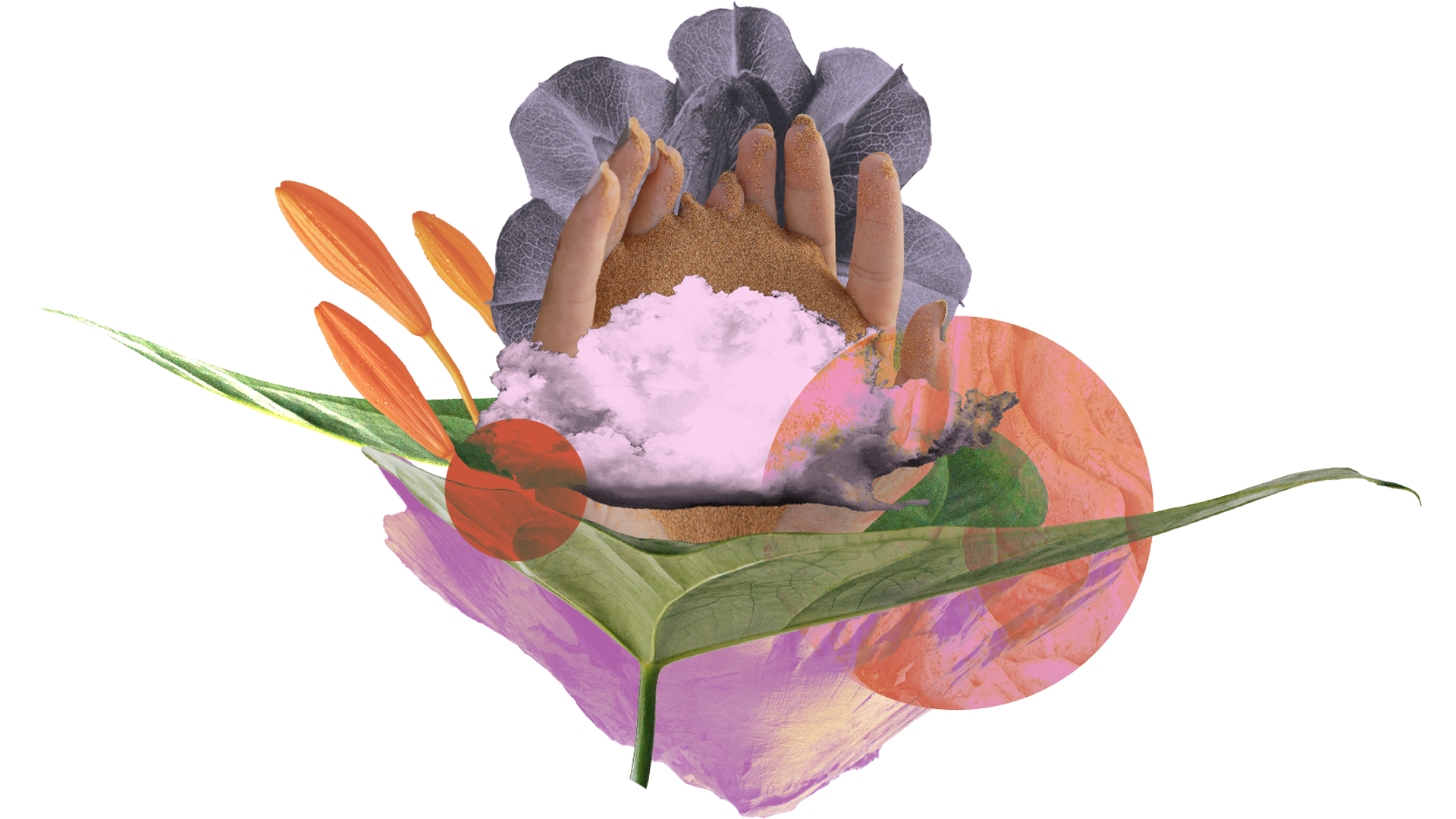
world’s immaterial structures
Design is an act of world-building. At PluriFutures, we investigate the profound connection between how we think the world works (our ontologies, paradigms and shared stories) and the tangible experiences and environments we build (worlds).
This matrix of meaning does more than just help us interpret reality; it frames our imagination. It dictates what a society considers possible, desirable, or even "normal." Among the most influential ideas shaping the modern world are our collective concepts of futurity and intentionality:
How do we envision the future? What does the word ‘future’ actually mean?
What do we imagine constitutes a good life? How do we progress toward it?
While these questions may seem abstract, they have concrete consequences. The concept of the Pluriverse challenges the assumption that there is only one "normal" answer to these questions. By embracing different answers, we foster diverse relationships with Earth’s web of life and create the conditions for different tangible worlds to emerge.
challenging the Monoculture of Modernity
Modernity—the matrix of meaning or model of life of Western civilization—has often spread its answers as the only "correct" ones, frequently suppressing any alternative. Modernity promotes the belief that the desirable life is centered on the acquisition of material goods (brought to life by design). It is increasingly evident that this commodification of life leads to overconsumption, wastefulness, and the destruction of the ecosystems that sustain us.
PluriFutures examines the role of design and technology in shaping the modern globalized (unjust and unsustainable) world we live in, while exploring possibilities, challenges, and strategies for designing otherwise — in a manner that honors the interconnectedness of all life.
team
-
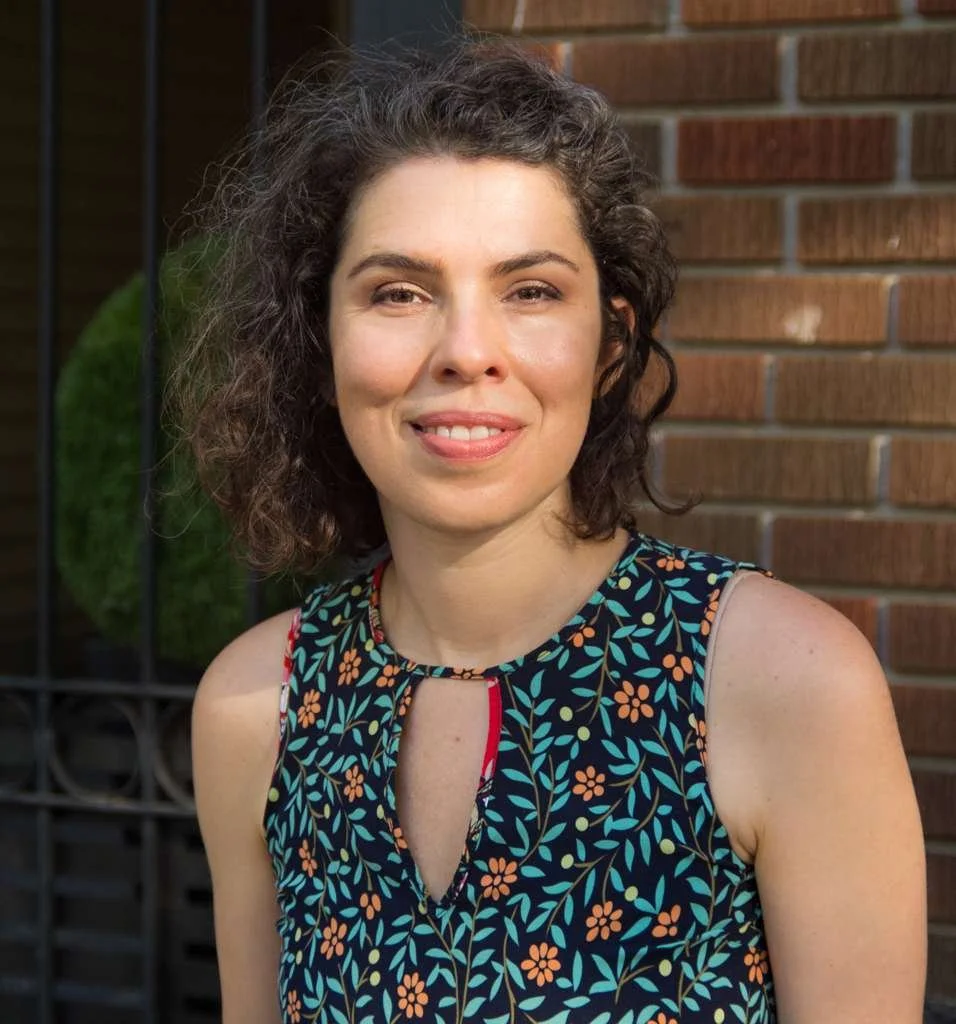
Renata Leitão
Director
-
Seth Gottfried
Communication Strategist & Writer
-
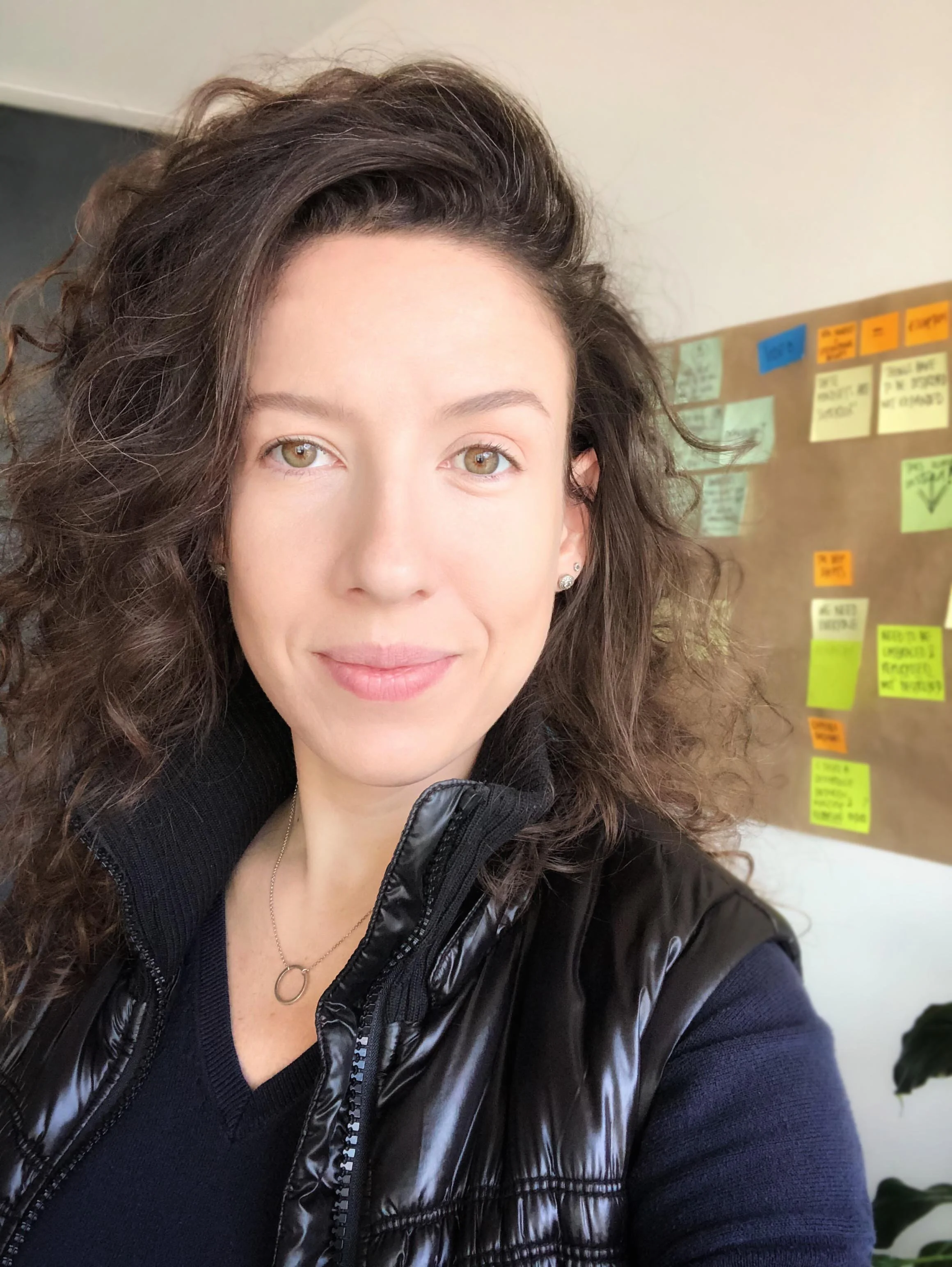
Tieni Meninato
Co-Director
-
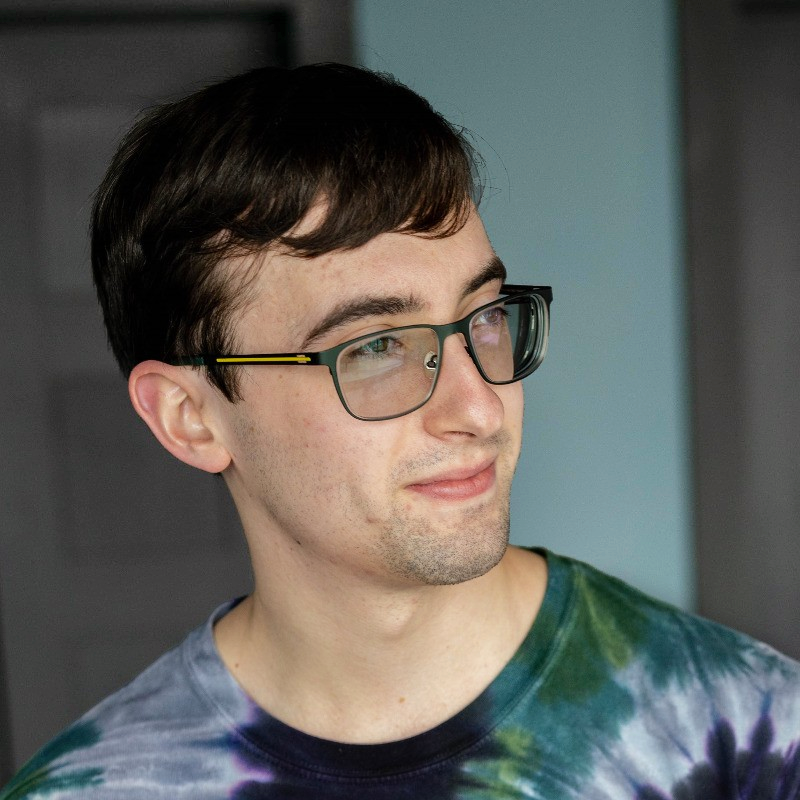
Isaac Newcomb
Sound Designer
-
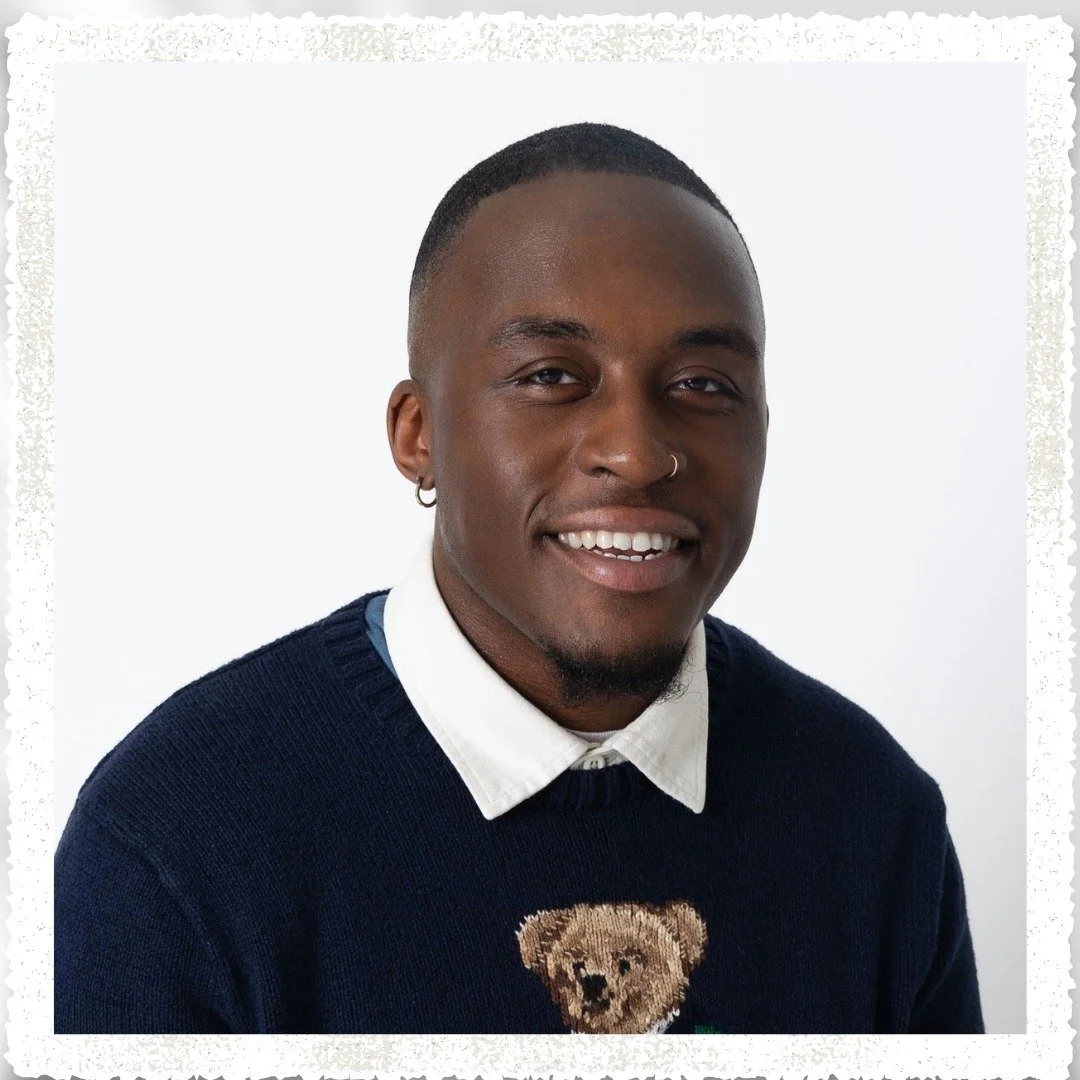
Raaziq Brown
PhD Student & Communication Designer
-

Matheus Labaki
Art Director & Motion Designer
-
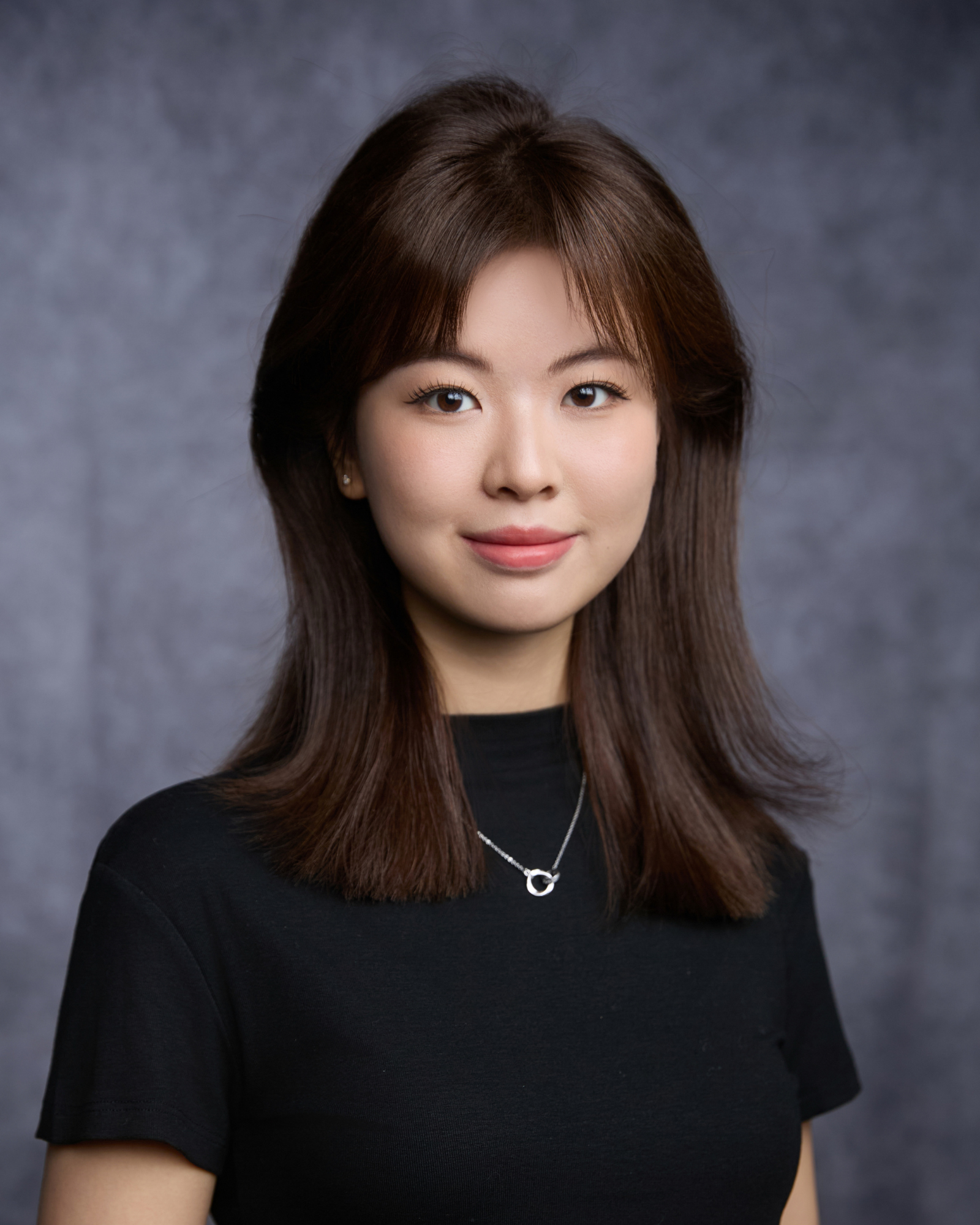
Jolin Li
Communication Designer
-
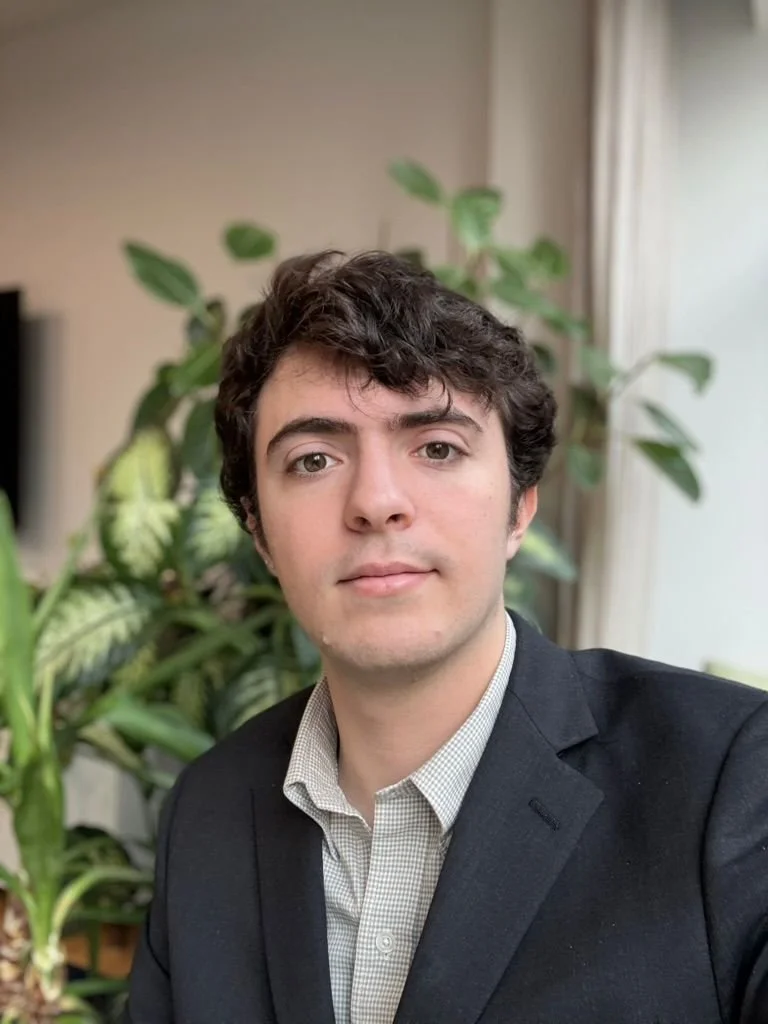
Jack Neiberg
Communication Strategist & Voice Actor
-
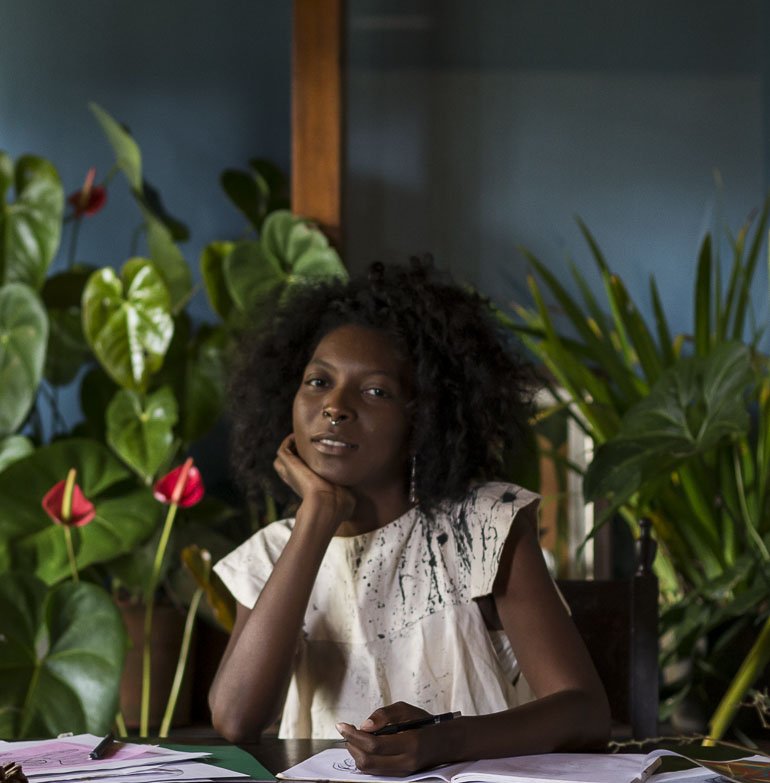
Mayra Muniz
Art Director & Illustrator
-
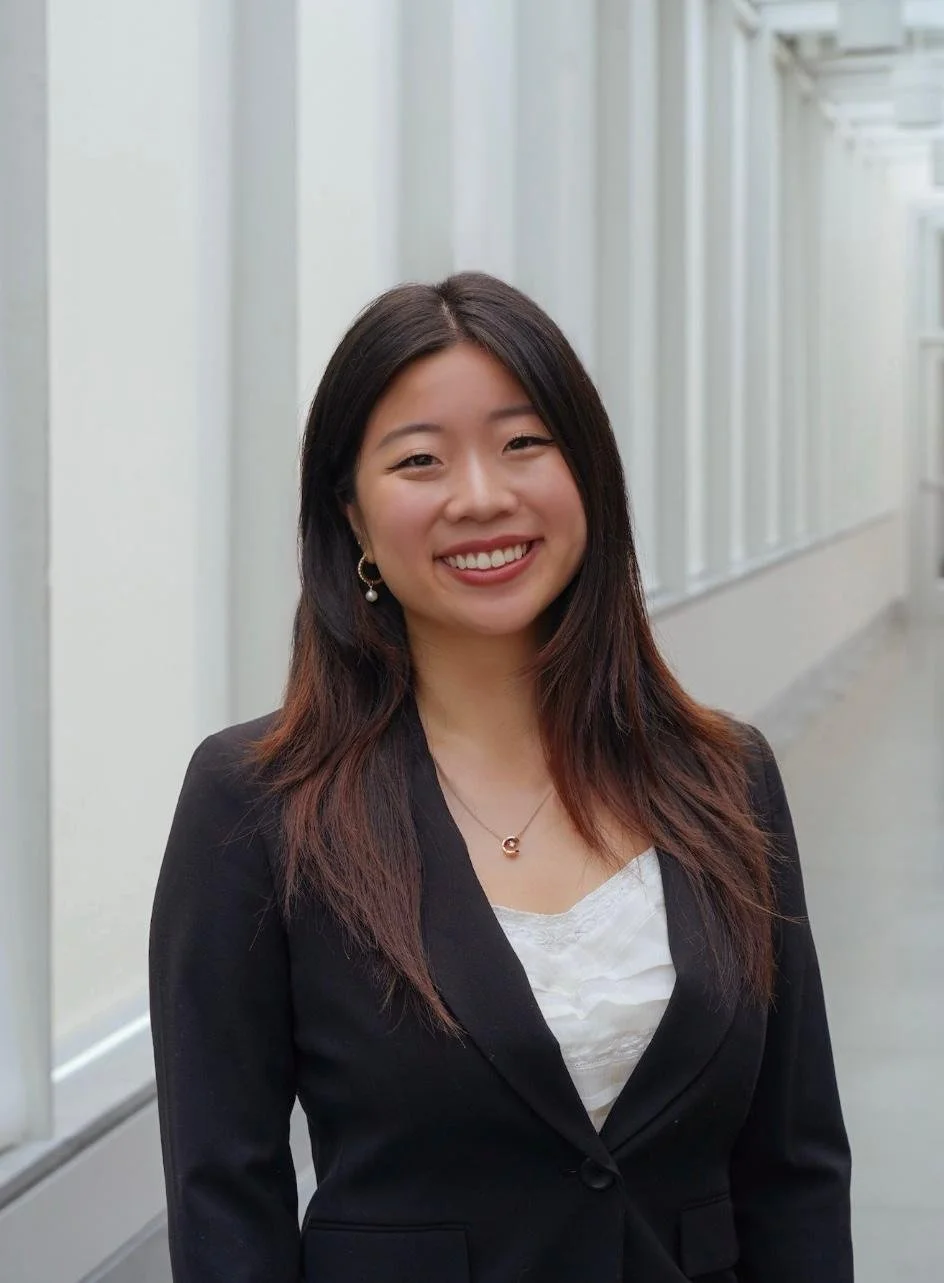
Chloe Jung
Communication Designer

partners
Arturo Escobar
University of North Carolina, Chapel Hill
Nicholas B. Torretta
Malmö University
Leandro Amorim Rosa
Universidade Federal do Acre – UFAC
Julia Moura
UFAC/Memorial Colônia Cinco Mil
Immony Men
OCAD University
what brings us to this work
-
Researching futures was not something I initially envisioned. My academic journey began with a focus on indigenous and local communities, where I collaborated on projects aimed at revitalizing traditional practices and asserting cultural identity. However, I realized that revitalizing cultural practices is ultimately futile without space for alternative futures. The pervasive modern Western concept of a singular, inevitable "future" — “the one and only future” — effectively suppresses other possibilities, rendering them unintelligible or dismissing them as simply "traditions" trapped in the past. In this modern framework, traditions are often commodified – think of marketing handicrafts – to generate income that enables people to pursue the “one and only future.” This leaves no room for nurturing other forms of flourishing. While my initial concern was the detrimental impact of this “one and only future” on indigenous and local populations, I soon recognized its broader implications, understanding that it constrains all of us by limiting our imaginations and our capacity to recognize diverse possibilities and a spectrum of potential futures.
-
The world is much more malleable than we give it credit for. Any dream of how we can relate with the world is possible and Ii want people to know that.
I envision the lab as a place that tells stories outside of the dominant paradigms and allows worldviews and thoughts not accepted in the modern canon a place in people’'s minds.
-
I long for a future shaped by justice, equity, and love, where our systems, values, and practices reflect the inherent dignity of all beings within the interconnected web of life.
It’s our responsibility to help bring that future to life. I believe our collaboration has three core components: examining what has constrained our imagination and ability to envision alternatives, committing to embodying parts of that future now, and passing on our learnings to others who share this vision.
-
Stories shape our perception of the world, and sound helps stories resonate. In a modern culture guided by myths that hinder our sustainability, we need to know there are more ways to live. As a sound designer for this lab, I want to help amplify stories outside of this paradigm—stories that challenge us to examine not only our lenses as we look, but our ears as we listen.
-
I believe in the possibility of designing for change.
Through visualizing, hearing, making, and learning, we can strive to make a meaningful difference—one that drives societal transformation toward plurality.
The Pluriversal Futures Design Lab is where I see these dedicated changes happen, and I want to contribute as a part of the story telling with images and words that communicate with the world.
-
In a time when it seems that war is happenstance, injustice and inequity is the norm, and propaganda is accepted as reality, it is crucial for knowledgeable actors to challenge and shift the oppressive systems that weigh down on humanity.
Design is a neutral tool and its facilitators decide its effect and outcome. My goal is to use this tool to create and improve the various worlds that we live in as individuals, in community, and within systems. Using the concept of pluriversality as a foundation, not only, for world-building, but for world understanding, I intend to aid in the development of new, paradigm-shifting frameworks of thinking for all.
past members
Maggie Meister
Linghao Li
Sage Rebello
Iris Luo
Sofia Ortiz
Lia Ponciano Diaz
support
Our activities have been generously supported by funding from the Cornell Human Ecology, Cornell’s Bronfenbrenner Center for Translational Research (BCTR), Cornell Center for Social Sciences, Cornell Society for the Humanities, Cornell Atkinson Center for Sustainability, Cornell Einaudi Center for International Studies, and Canada’s Social Sciences and Humanities Research Council (SSHRC).