participatory research
We develop projects in partnership with communities defending alternative cultural patterns at the periphery of the modern world.
We focus on representative cases that illustrate:
1) the connections between the planet's massive social and environmental crises,
2) the shortcomings of modern mindsets and assumptions in addressing such crises.
At present, no case is more critical than the communities living in the Amazon Forest, the planet's largest aboveground carbon sink (i.e., the forest removes carbon from the atmosphere and stores it). An enormous amount (about 123 billion tons) of carbon is stored in Amazonian trees, plants, and soils, which contributes to climatic stability. However, deforestation and forest degradation are transforming areas of the Amazon into carbon sources. This process can release massive amounts of carbon into the atmosphere, rendering current efforts to cut carbon emissions insignificant by comparison.
Forests are complex socio-ecological systems, and many international conservation initiatives fail to benefit local populations. The late environmental activist Chico Mendes traveled the world advocating for the idea that preserving the forest is inherently linked to the quality of life of the people who live there.
context
The State of Acre is the birthplace of one of the world’s most important movements against deforestation: the Alliance of the Peoples of the Forest, led by the rubber-tapper Chico Mendes. The Alliance developed the concept of "Extractive Reserves" (RESEX)—areas of public domain where local communities can sustainably harvest resources from the forest without destroying it. After Mendes’s assassination in 1988, the Chico Mendes RESEX was created. Inspired by this model, several other extractive reserves have been established, now accounting for approximately 13% of the Brazilian Amazon. Despite its historical importance, the Chico Mendes RESEX is currently one of the protected areas facing the highest levels of deforestation in the Amazon.
Project 1
the good life in the amazon forest
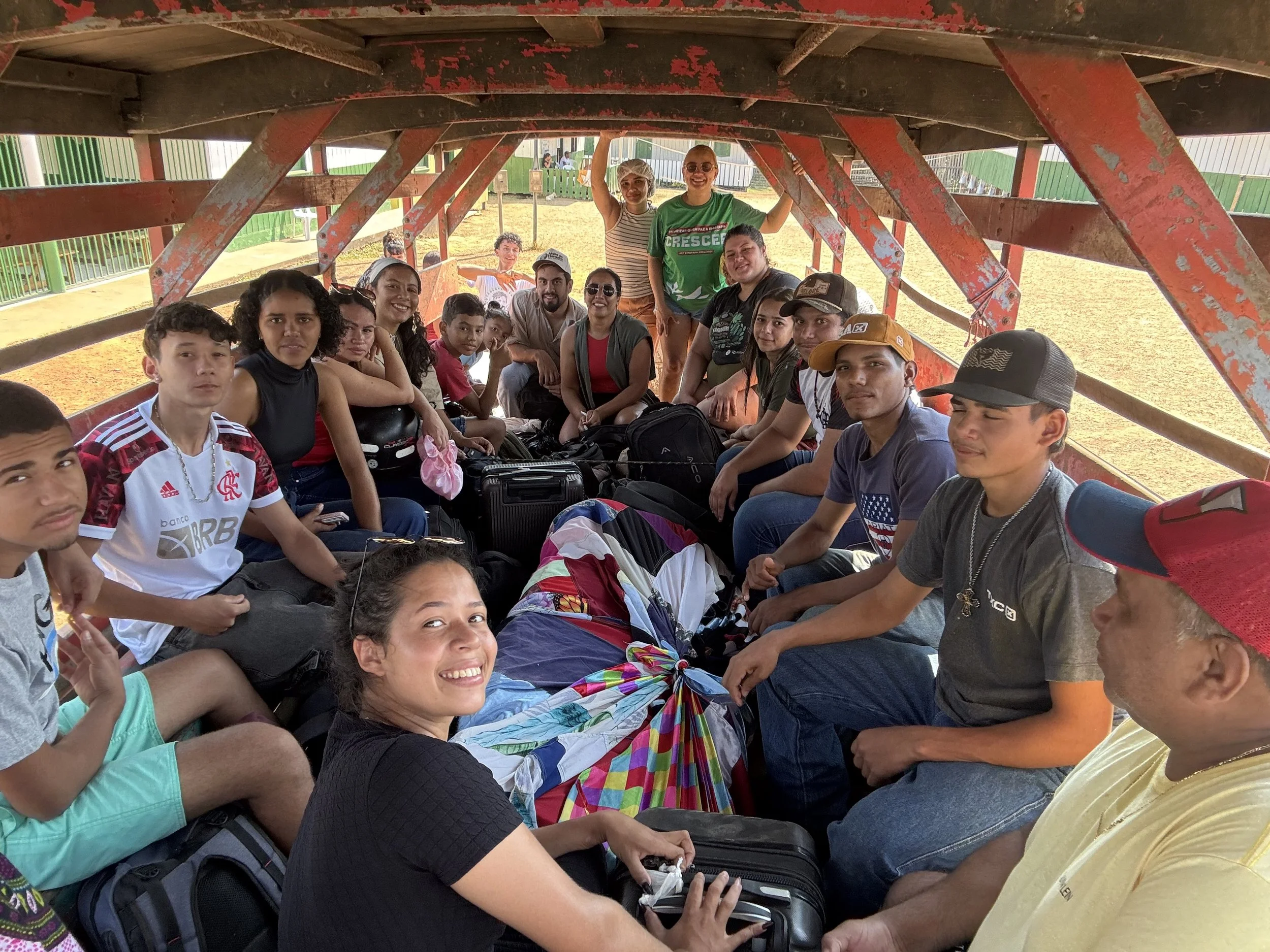
State of Acre (Brazil)
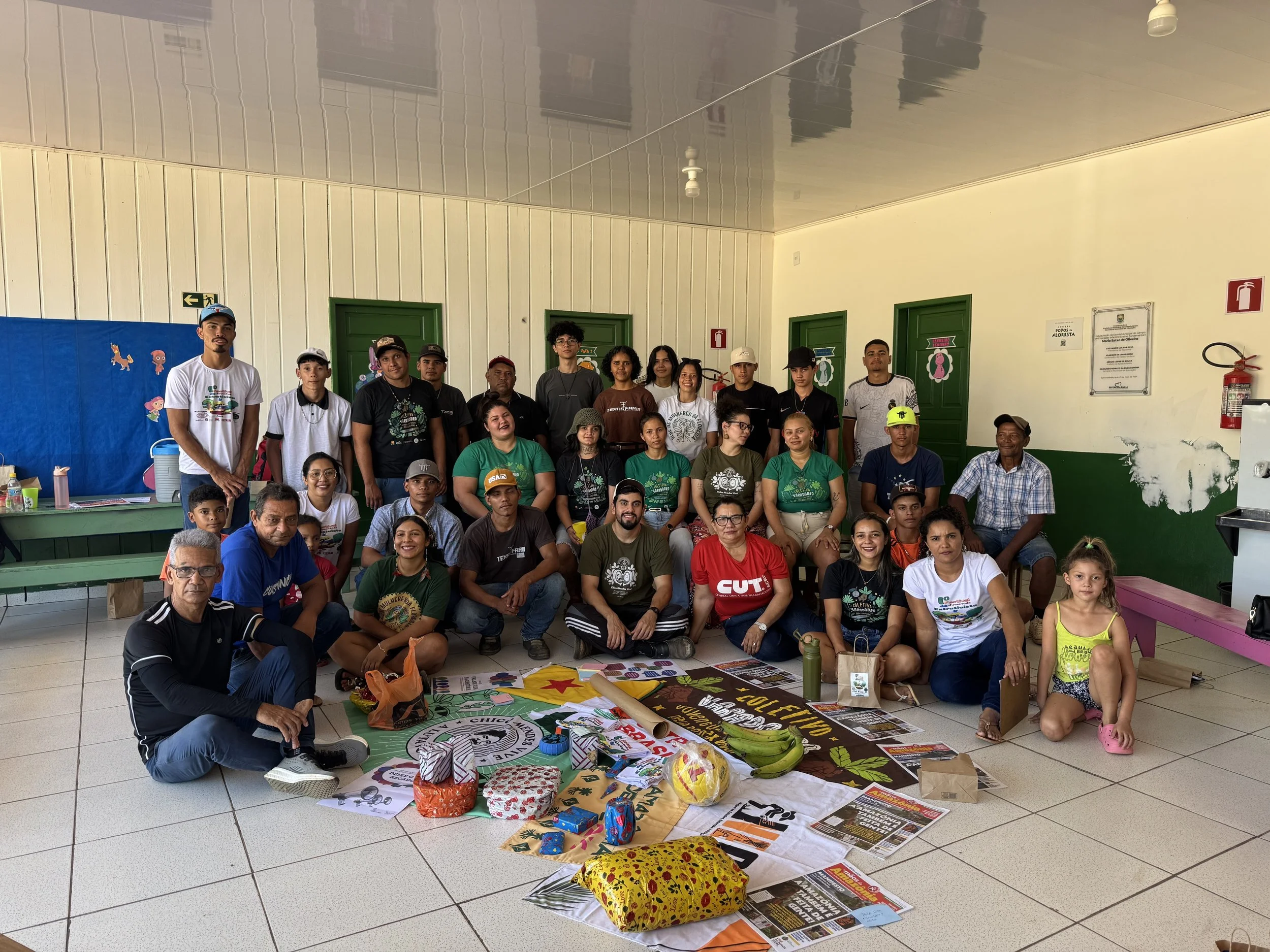
Partnership with the Chico Mendes Committee, AMIFORT (Associação dos Moradores e Amigos da Fortaleza), Cinco Mil Community and Varadouro Youth Collective.
This project aims to highlight a critical yet often overlooked aspect of the forest ecosystem's resilience: youth engagement. It examines the aspirations of youth living within the Chico Mendes Extractive Reserve [RESEX] and two Santo Daime communities (Fortaleza and Cinco Mil) in the State of Acre, Brazil. Local youth face significant challenges, leading many to abandon the lands their families fought to protect and move to urban areas. This situation leaves the forest increasingly vulnerable to invasions and deforestation.
The initial research questions are: Is leaving the forest the only option for pursuing a better life?
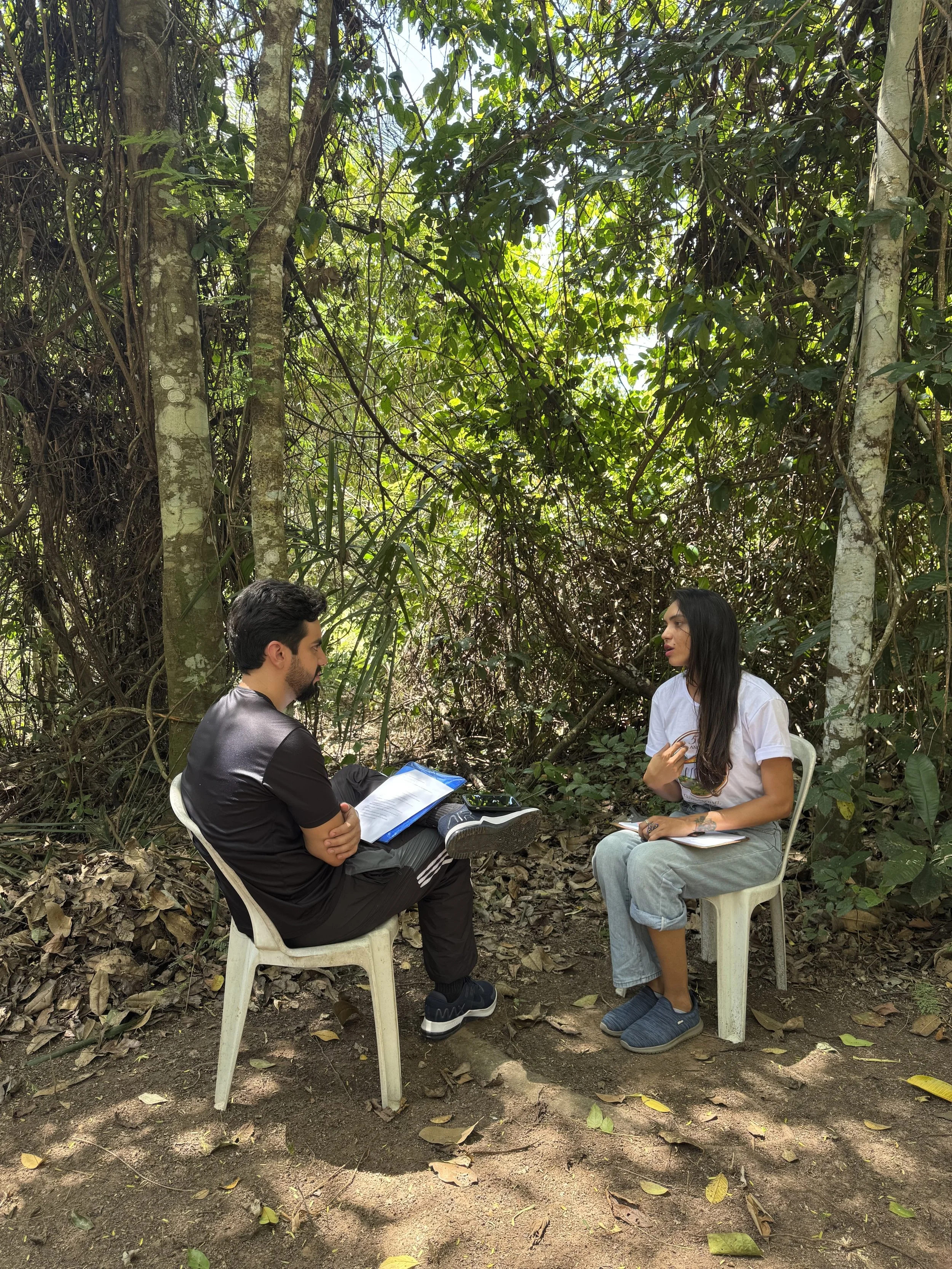
What strategies can be developed to help forest youth realize their life projects and live a good life within their territories? Guided by these questions, the project employs qualitative and participatory methodologies to examine and articulate the aspirations of youth as vital levers for forest conservation.
Situating the project in the field of Design
Design is about shaping (giving form to) what people envision as desirable in society. As designers, we give tangible (or digital) form to the elements that modern society assumes define the good life. The population of the Global North has been pursuing a form of well-being (a conjecture of what constitutes a good life) that is both wasteful and unsustainable, while simultaneously promoting this model globally.
But how do non-modern and more-than-modern societies define the “good life” within their cultural and ecological contexts, especially on a planet increasingly filled with mass-produced objects and interconnected through the internet? Are there alternative ways to envision a good life that do not rely on wastefulness and reckless exploitation of natural resources? Can we support these diverse visions as viable alternatives?
partners
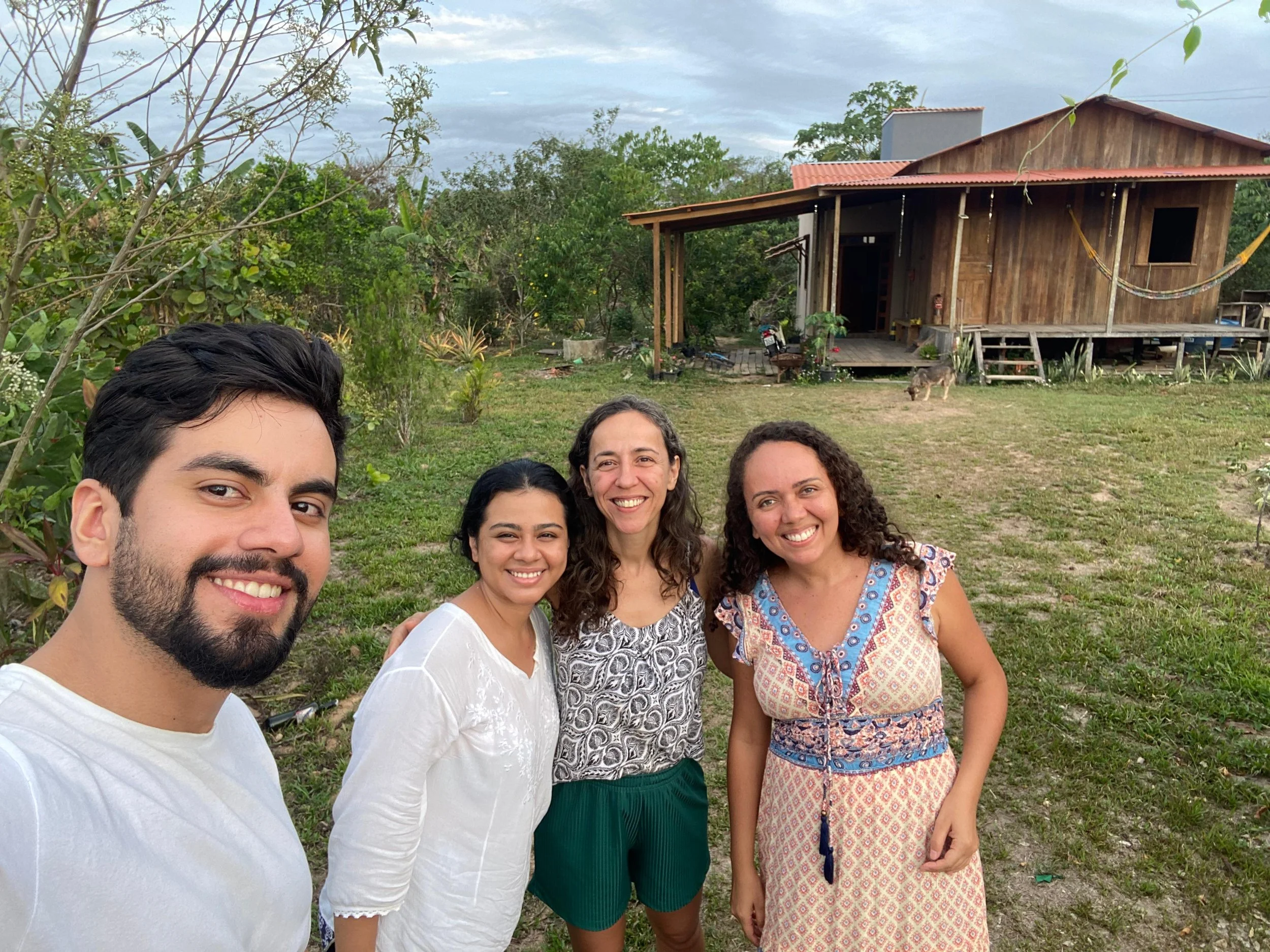
This project is developed in partnership with NEPSE, a psychosocial research and outreach center at UFAC (Universidade Federal do Acre / Federal University of Acre).
We collaborate with four grassroots organizations in the State of Acre: the Chico Mendes Committee, Coletivo Varadouro, AMIFORT, and Colônia Cinco Mil.
Chico Mendes Committee
Works primarily on initiatives to raise environmental awareness and preserve the legacy of the rubber tappers' struggle.
Coletivo Varadouro
An informal association of youth raised within the Chico Mendes RESEX.
AMIFORT
Associação dos Moradores e Amigos da Fortaleza
The resident association of the Fortaleza community (followers of Santo Daime). Fortaleza constitutes one of the largest preserved areas within the RESEX limits.
Colônia Cinco Mil
A Santo Daime community that promotes an ideal of forest citizenship, where residents seek to live in harmony with nature.
local co-reserchers
Elen Costa Souza
João Paulo Fonseca de Gois
Sérgio Marcelo Araújo Rios
Vanessa Balduyna Nascimento
co-investigators
Prof. Leandro Amorim Rosa
NEPSE – UFAC
Prof. Julia Moura
UFAC/Memorial Colônia Cinco Mil
support
Our activities have been generously supported by Cornell College of Human Ecology, Cornell Center for Social Sciences, Cornell Society for the Humanities, Cornell Atkinson Center for Sustainability, Cornell Bronfenbrenner Center for Translational Research, and the Cornell Einaudi Center for International Studies.